Era Pickleball: How to Choose a Pickleball Club Nearby
Choosing a pickleball club near you is more than a question of proximity. It’s about a place that fuels your game, fits your schedule, and grows with you as a player. The decision sits at the intersection of practicality and aspiration. You want a court that stays true to the ball, a community that pushes you without crossing into intimidation, and a club that respects your time with transparent pricing and solid programming. After years of watching players navigate every corner of the sport, I’ve learned that the best clubs aren’t always the ones with the flashiest names. They’re the ones that blend accessibility, quality, and culture into a reliable, repeatable experience.
In this piece I’ll share how to evaluate Era Pickleball clubs near you with an eye for what actually matters on a typical week. Expect practical questions, honest trade-offs, and a framework you can apply regardless of where you live. The aim is not to crown a single winner but to illuminate the choices that quietly determine whether you stay engaged, improve, and enjoy the game.
A note on the structure you’ll find here: this piece reads like a field report from someone who has spent a lot of time stepping onto different courts, talking to staff, watching leagues unfold, and balancing real life constraints with the game’s growing appetite for community. It blends concrete details with lived experience so you can map your own path from the first visit to a regular rotation.
First, a quick mental model. Pickleball clubs function on three enduring axes: the physical space and how it supports your play, the programming and cadence that keep you engaged, and the social ecosystem that makes a gym feel like a second home. You’ll notice these axes intertwine. A slick court surface matters most when you’re chasing spin or returns on a fast shot. An obstacle-free, well-lit court room matters even more when you’re juggling early mornings or post-work sessions. A robust league schedule matters when you’re chasing competition or camaraderie. The social energy matters because a game you used to play solo can become a weekly ritual if you find the right group.
The journey begins with a practical inventory: where is the club, what does it cost, and what can you actually do there in a given week. The second layer is about quality control: how well the courts are maintained, how responsive the front desk is, and whether there is a reliable system for booking and cancellations. The third layer is culture: what’s the vibe of the place, how inclusive is the community, and how supportive are the coaches and the staff. You’ll see each piece reflected in the decisions players make about whether to renew a membership, sign up for a clinic, or join a recurring league.
Geography and access
The most tangible constraint is distance. The times I’ve observed players lock in a routine, the geography of the club almost always determines the shape of their calendar. A club that sits within a ten to fifteen minute drive tends to function as the backbone of a weekly routine. Five to seven days a week, you can slip in a session before or after work, with enough flexibility to adapt when life throws a wrench in your plan. When the distance climbs to twenty or thirty minutes, you begin to see a different pattern: visits become more strategic, you plan around the courts rather than the other way around, and you tend to pick the best three to four sessions that align with your schedule. If you’re on the cusp of a busy season—travel, family obligations, a demanding job—courts that truly minimize friction become worth their weight in time saved.
Indoor versus outdoor spaces
Era Pickleball clubs often pool a mix of indoor and outdoor courts, sometimes within the same facility and other times across satellite locations. The choice between indoor and outdoor environments shapes your experience more than you might expect. Indoor courts eliminate weather as a variable. They create predictable lighting, temperature control, and a consistent bounce. On a practical level, that consistency matters for players who are actively training, or for those who are recovering from wrist or shoulder injuries and can’t tolerate unpredictable wind or humidity. Indoor spaces also tend to offer more stable scheduling because they’re less likely to be weather-bound than outdoor setups.
Outdoor courts, by contrast, bring a different energy. They can be cooler in the summer and more pleasant in temperate seasons. They also often come with a social vibe that leans toward community gatherings, pop-up events, and a lighter pace. Outdoor courts require an acknowledgement of seasonal rhythms—fewer time slots in winter, more flexibility in the shoulder seasons when the sun stays later in the evening. If you value outdoor play for its feel and you don’t mind seasonal disruptions, you’ll want to see how a club handles maintenance and shade, wind, and glare issues on those outdoor courts.
When you visit a club, observe not only the courts but the common areas. A well-run club makes it easy to book a court, check competition calendars, and sign up for group drills without chasing staff. A clean, well-lit lobby with clear signage often signals the quality of the day-to-day experience you’ll have when you walk in with a bag full of expectations.
Programming that actually moves your game forward
A strong club won’t rely on its halls to do all the heavy lifting. The value of a pickleball club lives in the programming mix that runs weekly. The right blend of drop-in play, instructional sessions, and structured leagues creates a rhythm that keeps players returning. Consider the following questions as you assess programming:
- Are there coaching options that suit your current level, from beginner clinics to advanced strategy sessions?
- Is there a clear progression path, so you can move from fundamentals to more advanced shot selections, footwork patterns, and reading the opponent’s intent?
- How often do clinics run, and what is the typical ratio of players to instructors in those sessions?
- Do leagues run in seasons or continuous formats? How many divisions exist, and what are the criteria for placement?
- Is there a system for tracking skill development, such as a simple assessment or a way to measure improvement over time?
In my experience, the most durable clubs aren’t just places to hit balls. They are learning communities that host a spectrum of experiences, from casual social play to structured drills. An ideal club offers both. You should be able to show up with a friend and play casual games, and you should also be able to sign up for a weekly drill with a coach who can challenge your service return or your transition game.
Costs, memberships, and value
Money matters, and in the long run it shapes how often you show up, how seriously you take your training, and whether you treat your pickleball as a hobby or a regular practice. Transparent pricing is a marker of a well-run club. The most straightforward setup is a monthly membership that provides access to courts during open play, plus some included clinics or a discount on special events. Some clubs offer pay-as-you-go options, which can be valuable if you’re exploring different clubs or if your schedule is erratic. Others layer in a tiered structure: a base access pass plus premium add-ons like reserved courts, prime court times, or additional court storage and locker room privileges.
When you calculate value, consider the non-monetary costs as well. The time spent driving to a club, the friction of peak-hour booking, or the hassle of no-shows can erode savings on a low price tag. A facility with intuitive booking software, reliable court maintenance, and predictable hours can save you countless minutes per week. In some markets, a premium club may justify its higher price tag with higher-maintenance courts, longer hours, and a stronger coaching roster. In others, you might find a sleeper facility that delivers excellent value at a lower price point because of efficient operations and a supportive community.
Coaching, leagues, and the social fabric
Coaching matters, especially if your goal is to level up. A club with places to play pickleball a robust coaching staff that includes certified pros and experienced players who understand strategy will help you translate drills into match-day performance. Watch closely for:
- The balance between technique and tactical instruction
- The range of drills offered and how they’re scaled to different skill levels
- The expertise and demeanor of the coaches during group drills and in open play
Leagues are the heartbeat of a club for many players. They create a predictable rhythm and push you to compete with players of similar skill. The best leagues are well organized, with clear rules, fair scheduling, and a structure that supports advancement and relegation if that’s part of the club’s framework. The feedback loop matters too: do the organizers provide performance insights after a match, or an occasional debrief with a coach? A league that blends friendly competition with learning fosters a lasting affinity for the club.
The social ecosystem is the quiet engine that makes or breaks a club over years. You don’t just want to find a court to play on; you want a place where you feel seen, where you can rely on a few trusted partners, where a coach knows your name and your style, and where the social calendar includes events that invite you to participate beyond the court. The best clubs cultivate this energy through inclusive programming, a willingness to mix levels, and staff who actively facilitate community building without turning it into cliquish exclusivity.
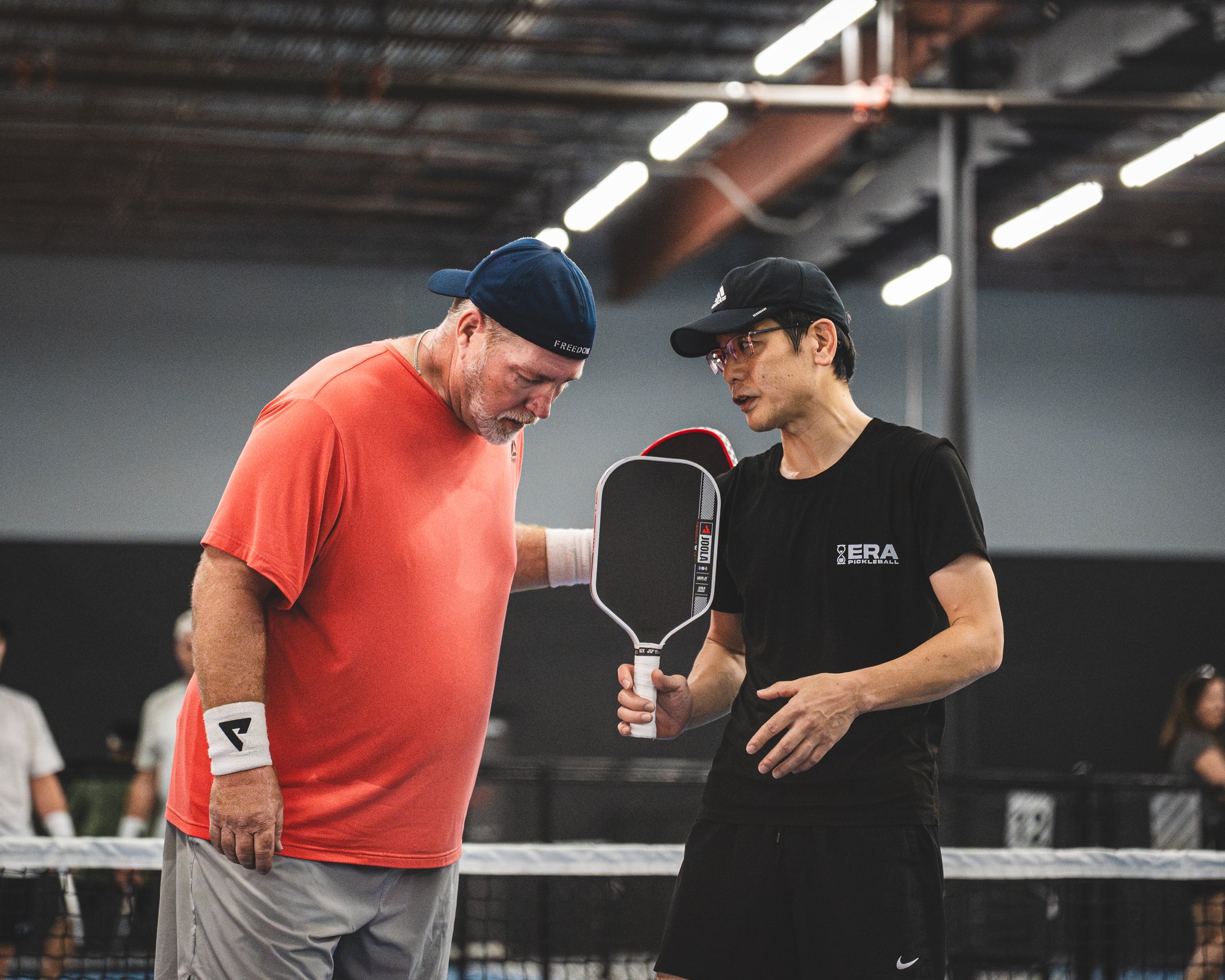
A field guide to Era Pickleball clubs
If you’re in an Era Pickleball market or near a facility that carries the Era Pickleball name, you’re likely looking at a network that has invested in both indoor and outdoor play, with a common ethos around quality and access. The practical question is how the local club translates that brand promise into your day-to-day reality. A few concrete signs of a strong Era Pickleball affiliate include:
- A clearly posted schedule of indoor courts and outdoor courts, with real-time availability when possible
- A mix of membership options that cater to casual players and serious competitors alike
- A robust calendar of clinics, drills, and leagues that appeals to a range of skill levels
- Courteous, knowledgeable front-desk staff who can book courts, troubleshoot membership issues, and connect you with coaches
- Well-maintained courts with consistent line markings, good lighting, and decent temperature control in indoor spaces
These elements aren’t just nice to have; they’re the scaffolding that makes it feasible to maintain a habit. Time is precious, and as a player you want a club that respects that time with dependable access and a predictable routine.
What to do on your first visit
A first visit should feel like a short audition for your future weekly routine. Do a few practical checks that tell you more than a glossy brochure ever could:
- Observe the court-to-court consistency. Are the indoor courts evenly level, with uniform lighting and solid ball bounce? Do the outdoor courts have shade for the late afternoon sessions and wind breaks where needed?
- Test the booking flow. Can you reserve a court on the app or website with a few taps? If you call, is the person on the line helpful and patient in explaining options?
- Watch a drill or a clinic if possible. Note the instructor-to-player ratio and the clarity of instruction. Are players actively engaged, or is the session more about talking than doing?
- Check the social calendar. Are there beginner clinics, mixed doubles nights, or social events that facilitate meeting new players outside of a rigid league structure?
- Talk to a few players. A quick five-minute chat with a regular can reveal what the club value truly is, from the perspective of someone who spends real time there.
If you leave with a sense of belonging and a practical sense that you can actually improve there, you’ve probably found a solid fit. If not, it’s worth visiting a few others. The right choice isn’t always the closest one; it’s the one that minimizes friction while maximizing opportunity for growth and enjoyment.
Long-term decision-making and the renewal moment
The moment of renewal is the true test of a club’s value proposition. A good club makes renewal feel like a natural next step because you’ve built a routine, you’ve seen measurable progress, and you’ve integrated the social pieces into your life. A less compelling club will feel more transactional, offering a low price but delivering a math equation that doesn’t include your time, your consistency, or the quality of your practice.
When you reflect on a season or a year, you’ll tend to weigh a few critical outcomes. Have you played more matches or fewer? Have your wins and your read on the court improved in a way that you can articulate to a coach or friend? Do you look forward to your next visit, or does the plan feel like a compromise you tolerate rather than a choice you actively want to make? Your answers to these questions will tell you more about the right club than any set of promotional promises.
A practical, experience-driven framework
In practice, choosing a pickleball club becomes a process you can execute with a few concrete steps. The framework below is designed to be adaptable to your market, whether you’re looking at an Era Pickleball facility or another reputable local club. It’s not a rigid checklist; it’s a lens to evaluate how a club behaves over time.
- Start with a field test of two to three clubs that feel reasonably close to your daily life. Spend a couple of hours there on different days, observe crowd patterns, and see how easy it is to book a court.
- During each visit, gather data points that matter most to you: court quality, booking reliability, coaching staff accessibility, league structure, and social warmth.
- Talk to staff about what is included in membership and what costs can arise from special events or peak times. Ask for a sample month-to-month calendar and a price breakdown.
- Compare the coaching options side by side. If your goal is to improve, a club with structured progressive programming and a coach who understands your starting point can be a decisive factor.
- Consider your own rhythm. If you play early mornings, ensure the club offers consistent access during those hours. If evenings are your norm, confirm that peak times don’t choke the schedule or raise wait times unduly.
- Look for transparency in maintenance and safety. Ask about how often floors are resurfaced, how nets are maintained, and what protocols exist for a player dealing with a minor injury on site.
- Factor in the social layer. Do you feel welcomed by staff and fellow players? Is there a pathway to leadership within the community, like volunteer roles or club ambassador programs?
- Decide on a trial period. If the club offers a short-term membership or a trial day, take it. Treat it as a real test of whether this place is a long-term fit.
- Establish a personal metric. Set a simple objective for the first three months, such as “play two times per week, attend one clinic per month, and participate in one league match every two weeks.” Use it to judge whether the club is delivering value.
- Revisit your decision at renewal time with a candid assessment. If your activity has grown, or if you’ve plateaued, you may want to renegotiate a different tier or even switch clubs.
Two concise, practical lists to help you compare quickly
-
Quick start checklist
-
Clear and practical, this list helps you validate the basics during or after your first visit.
-
Court quality and maintenance meet your expectations
-
Booking system is simple and reliable
-
Coaching staff is accessible and helpful
-
League structure aligns with your goals
-
Pricing is transparent and fair for the value offered
-
Prospective club comparison snapshot
-
This is a compact reference you can fill in as you tour different facilities.
-
Indoor court availability and reliability
-
Outdoor court quality and shade availability
-
Range and depth of clinics and drills
-
League options and scheduling flexibility
-
Overall value for the price and the fit with your schedule
What I’ve learned about Era Pickleball clubs specifically
Era Pickleball has built recognition for a certain standard across many markets. When I’ve visited Era facilities, a few patterns consistently stood out. First, the maintenance culture tends to reflect a disciplined attention to detail. Courts are kept in solid condition, nets are adjusted promptly, and line marks are visible enough to avoid disputes during busy hours. This is not universal, of course, but it’s a common thread in the brand’s footprint. You can gauge this quickly by standing at the edge of a few courts: is the bounce predictable? Are there sticky floors or uneven paint chips that would affect footwork or twist patterns?
Second, the programming tends to emphasize inclusivity alongside competition. You’ll find mixed doubles formats, beginner clinics, and not-quite-beginner strategy sessions where players get practical tips about shot selection in transition zones. The most successful Era clubs I’ve observed have a cadence that makes it easy for a new player to walk in, find a group that matches their skill, and feel included within a few visits. Part of that success comes from staff who remember players’ names, ask about how a recent match went, and follow up with a suggested drill that targets a specific weakness.
Third, the social fabric matters. A club with a robust social calendar and a staff that fosters a welcoming, low-pressure environment tends to produce longer retention. Some of the best Era clubs I’ve seen host monthly social evenings, round-robin mixers, and family-friendly events that bring in players who may not be chasing serious competition but who want to enjoy the game with friends and neighbors. When the social calendar becomes an after-work habit rather than a chore, you’ve found a club that people actually want to return to.
Finally, the price point is a meaningful signal, but not the entire story. Era facilities often position themselves as quality options with clear value. They don’t always represent the bottom of the price pool, but they tend to offer predictable costs, clear membership benefits, and a thoughtful approach to scheduling that respects a player’s time. If you’re evaluating an Era site, you’ll want to check not just the sticker price, but the inclusions, the access windows, and what you’d pay for add-ons like priority court time or private coaching.
Practical anecdotes from the field
One member I spoke with recently described his weekly routine at an Era club as a three-act structure: “I’m in the parking lot before work, I get a quick hour of social play with modest competition, then I swing by a clinic on Tuesdays, and on Saturdays I join a round-robin with players I’ve met over the months.” He told me the biggest value was consistency. The club offered predictable hours, friendly staff, and a coaching mix that included a couple of pros who could push him without turning the session into a highlight reel. Another player described how the league structure became the backbone of her week. The schedule allowed her to plan around a fixed set of matches, and she appreciated the ability to see results in a few key metrics—how quickly she was able to adjust when facing a stronger opponent, how her footwork improved, and how often she could rally longer sequences without breaking technique.
On the other side, I’ve encountered a few experiences where the branding outpaced the program. A club with the Era label but with limited hours and a lean staff often left players feeling the sting of underutilized courts and longer wait times during peak hours. The best clubs in this space countered that by investing in a robust reservation system, a larger coaching roster, and a well-rounded calendar that included not just top-tier leagues but social play and beginner introductions. In short, a brand promise is only as strong as the daily experience underneath it.
The path forward: how to decide and act
If you’re standing at the intersection of several Era Pickleball facilities or simply weighing which near-me club to commit to, here is a practical approach you can take this week:
- Map your week and your travel time. Identify two to three clubs that sit within your typical driving radius.
- Schedule a first visit or a trial day. Prioritize observing court conditions, booking flow, and the presence of coaches or staff who can answer questions.
- Run a small trial with a friend. Book a pair of courts for a couple of hours and simulate your normal practice. Note how easy it is to access the courts, how clean the facilities feel, and how knowledgeably the staff respond if there is an issue.
- Compare the core program set. If you’re chasing improvement, compare coaching quality, clinic frequency, and league depth. If you’re chasing social play, measure the availability of drop-in sessions and social events.
- Decide on a baseline budget and test it. See how much value you derive from a reasonable membership tier, then compare against a lower or higher tier if the club offers it.
- Revisit after a month. Reassess your schedule, your enjoyment, and your improvement. If the club is delivering on both the practical and the aspirational, renewal is a natural step.
The bottom line
Choosing a pickleball club near you is a decision about cadence as much as it is about courts. It’s the difference between a space that momentarily suits your schedule and a place that becomes part of your routine—a space where you can play with intention, improve with guidance, and enjoy the social fabric that keeps you coming back. An Era Pickleball club can be a dependable anchor in your week, provided it harmonizes with your travel time, your goals, and your sense of belonging. The right club makes the game easier to love, fewer arguments with your calendar, and more wins on the scoreboard of your personal growth.
If you’re in the market for a place to call your own, begin with a clear yardstick: ask about the quality and consistency of the courts, the reliability and clarity of the booking system, the depth and accessibility of coaching, and the warmth of the community. Then trust your own experience. The best club isn’t the one you tell people about first; it’s the one that makes you want to show up again, week after week, with a racket in hand and a wide open smile.