Pickleball Academy erapickleball.com: From Beginner to Pro
I have spent more mornings than I care to admit watching dawn spill over hardwood and into the lines of a pickleball court. The sound of a paddle kissing polymer, the scuff of sneakers on a polished surface, the hum and chatter of a crowd as players pace between drills. Era Pickleball, the pickleball center that anchors erapickleball.com, feels less like a facility and more like a living curriculum. It is a place where the sport grows up in real time, where beginners shed their nerves and veterans hustle toward sharper edges in their games. If someone asks me what makes the Era Pickleball Academy different, I think of it as a blend of studio space, coaching philosophy, and the market’s most practical approach to growth.
What follows is a portrait of an institution that has learned to scale a lifelong game without losing the intimate clarity that makes it addictive. It is a story about the stubborn precision of drills, the stubborn patience of athletes learning to fail well, and the stubborn belief that a center can still feel personal even as it becomes a hub for hundreds of players each week.
A center that doubles as a learning machine
From the moment you walk into Era Pickleball, you sense that the space was designed with a precise purpose in mind. The focus is not on glitz or trendiness but on the daily concreteness of improvement. The courts are laid out to maximize sightlines for coaches and athletes, with ample space between lines so that a ball’s trajectory does not feel contested by a cramped corridor of echoing paddles. Lighting is bright enough to read a spin and soft enough to prevent glare from turning a practice into a struggle.
The academy is not a single course or a one-size-fits-all syllabus. It is a dynamic ecosystem built to accommodate the wide range of players who walk through its doors. A true beginner can walk into a structured progression that teaches the fundamentals without overwhelming them with jargon. A player with a few years under their belt can dive into tactical sessions that center on footwork patterns, paddle alignment, and shot selection in three different court contexts. And for the serious competitor, there are performance clinics that test weak spots, quantify improvement, and push a player toward higher ceiling play.
The staff at Era Pickleball blends coaching rituals with the practical realities of competition. They do not rely on magical pithy mantras or canned routines. Instead they bring a swimmer’s attention to form and a chess player’s appreciation for tempo. They know that a successful rally is often the product of small adjustments—shimmying the grip, keeping the non-dominant hand active, or choosing the right angle after a misread. The coaching teams are formed not to preach but to observe, diagnose, and tailor. A player’s path through the academy is individualized even as the group energy keeps everyone moving forward.
The academy is also deeply pragmatic about the economics of learning. There is an obvious benefit to a player who commits to regular practice and coaching, but Era Pickleball does not pressure with gimmicks. The model is built on consistent access to courts, coaching blocks, and a schedule that respects a player’s time as much as their ambition. For families balancing calendar chaos with a passion for the sport, the center becomes a reliable anchor rather than a financial risk. There is a quiet credibility in this approach—an acknowledgment that improvement in pickleball is, at its core, a function of time spent on the court and the quality of the feedback players receive along the way.
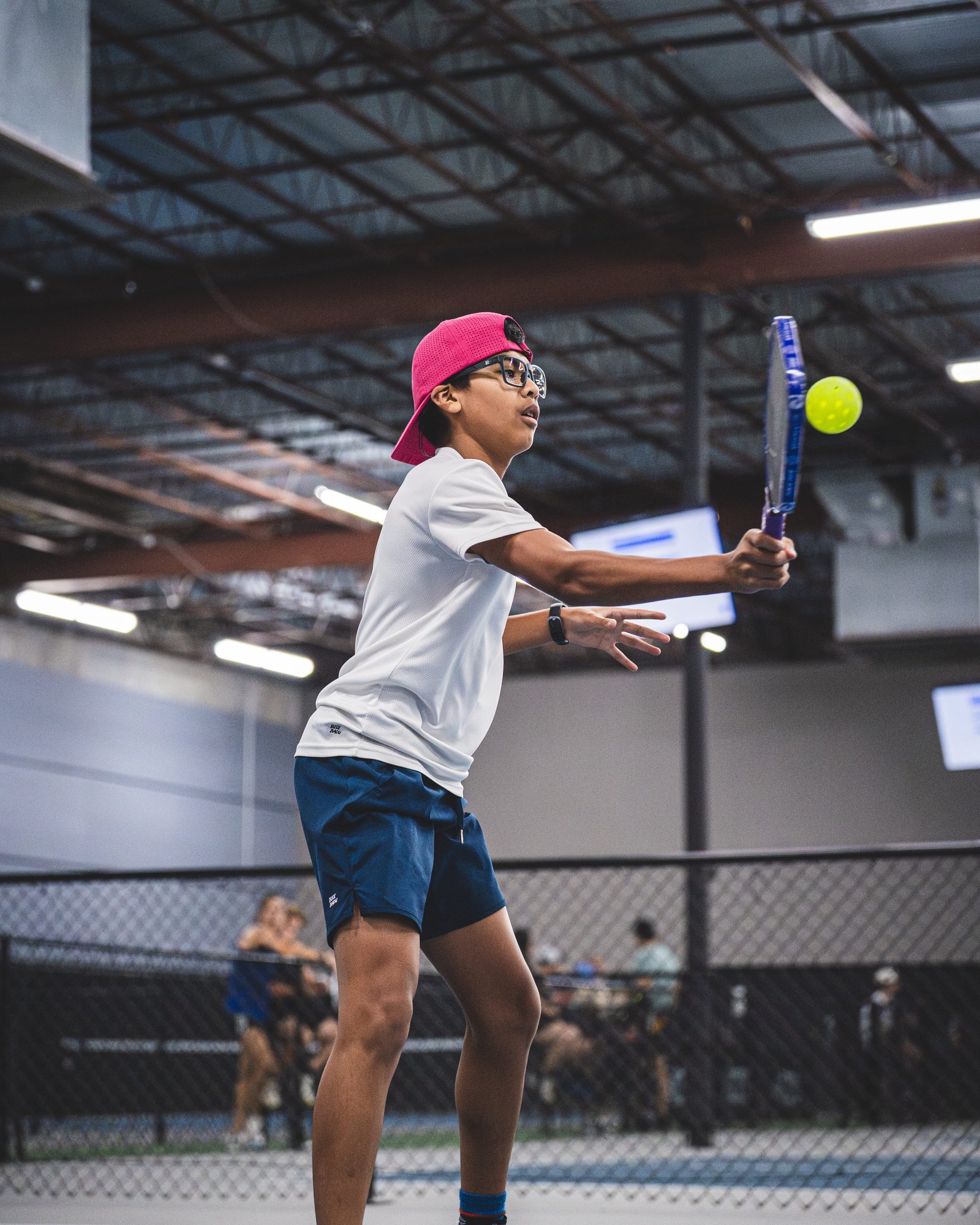
A living curriculum, not a fixed syllabus
One of the recurring themes you hear from players who have progressed through Era Pickleball is the sense that the academy evolves in real time. The staff do not see a season as a closed loop; they view it as a living archive of what works for real players in real matches. If a drill proves overly abstract or too far removed from what players actually experience in competition, they revise it on the spot. If a tactic yields consistent wins in the clinic but fails to translate during a match, they course-correct with a new drill, a fresh schematic, or even a different pair of partners for positional drills.
This flexibility is not a lax approach disguised as adaptability. It is a disciplined practice grounded in observation, data, and plainspoken honesty. Coaches track outcomes, not just participation. They pay attention to how a learner’s footwork translates to shot quality, how a serve changes the tempo of a rally, and how a player handles the downturns of a slump. The result is a culture that prizes clarity over bravado, precision over volume, and progress over showmanship.
The academy’s facilities reinforce this philosophy. The courts are arranged to support progressive practice, with dedicated zones for warmups, technique work, and live play. There are small-sided formats that force players to read spin and adjust grip pressure quickly, and there are longer, more open drills that let a learner rehearse decision-making in real time. The space is also designed to minimize interruptions. If a session is in progress, players can focus without the ping of a ringing phone or the occasional stray ball interfering with their drills. Even the quiet corners are well-appointed for mental reset—soft seating, a coffee station with motivational signage, and a view into the courts that makes analytics feel accessible rather than punitive.
Programs that grow with you
Era Pickleball’s offerings cover a spectrum, from entry-level foundations to elite performance. The nuance here is not simply in the presence of variety, but in how each program resonates with real-world play. The foundation courses emphasize not just how to swing the paddle, but how to move through the court with intention. Beginners learn the basic grip, how to return a ball in a controlled fashion, and the rhythms of a steady dink exchange. Coaches model patient instruction, celebrate tiny wins, and translate technique into playable patterns that learners can sustain after the session ends.
As players accumulate experience, the academy shifts the emphasis toward tactical awareness. Clinics built around shot selection, court positioning, and speed of decision become the primary engines of improvement. Coaches push players to study defenders’ tendencies and to anticipate opponents’ patterns. They also bring in video review, letting players see their rallies from multiple angles and compare their choices against those of the top performers in the room. This is where the program earns its stripes, because the best players learn to translate a good drill into a match-ready instinct.
Then there are performance-focused components that attract a more seasoned cohort. Specialized clinics tackle serve-receive strategies, transition play, and the handling of nerves in high-stakes rallies. There are periods dedicated to physical conditioning integrated with sport-specific drills. The gym work is not mystified; it is practical, targeted, and sequenced so that players can optimize recovery and reduce the risk of overuse injuries. The academy also runs a robust court rental program, which makes it straightforward for teams and clubs to reserve time for practice blocks or to run their own curriculum with the support of Era Pickleball staff if desired.
Access, logistics, and the everyday realism of training
A center is only as good as its ability to blend aspiration with accessibility. Era Pickleball recognizes this tension and addresses it with a practical approach. Court rental is straightforward to book, and the rental slots are distributed to accommodate alternating practice blocks for clinics, private sessions, and drop-in drills. For players who cannot commit to a full training schedule, there is a flexible drop-in option that allows them to join in the most relevant drills without feeling they are falling behind their peers. The scheduling system is transparent, so there are no hidden caps or surprises when a player wants to bring a friend for a shared clinic.
The center’s commitment to accessibility also extends to equipment. There is a well-curated pro shop with paddles in a range of weights and grips, so players can try a few options under the watchful eye of staff before committing to a purchase. For newcomers, the shop staff can explain the practical differences between paddle profiles, grip sizes, and nylon or composite faces in plain, actionable terms. The emphasis remains on fit and function rather than fashion. It is a small but telling detail that pickleball tournaments near me reinforces the academy’s core message: you practice what you need to win, not what looks the most impressive in a photo.
What it takes to move from beginner to pro pace
There is a reason many players drift toward Era Pickleball’s programs after a first glimpse at the sport. The center respects the pace at which individuals learn and it also understands the tempo of competitive advancement. The leap from novice to competitive is rarely a straight line. You can master a dink and a block volley in one week, only to realize you must recalibrate your footwork for quick transitions across a longer rally. The academy’s structure mirrors that reality, offering a menu of pathways that accommodates people who learn by watching, by doing, or by getting rapid feedback from a coach.
A practical route looks like this. Start with a few fundamentals sessions to build confidence and ensure you are on the same page about grip, stance, and contact point. Move into a series of technique clinics that layer into your weekly schedule so you can practice the core moves in a controlled setting. Then add a tactical module that introduces you to decision-making under pressure. Finally, if your goal is competition, integrate performance sessions that bring in match simulations, psychological resilience strategies, and strategies for managing the rhythms of longer rallies.
While this pathway is not a guarantee of elite status, it is a concrete blueprint that respects both time and objective outcomes. Era Pickleball’s staff are mindful of the fact that not every player wants, or needs, to reach the pro ranks. For many, the goal is simply to enjoy the game longer, extend your mobility, and savor the social energy that a well-run center can foster. The satisfaction here comes from incremental gains: a faster, steadier return, a smarter decision on a dink volley, and a rally that ends with a clean, well-placed shot rather than a desperate lunge.
A culture of practice, community, and honest feedback
The social fabric around Era Pickleball is not a side effect; it is a deliberate feature. The academy organizes social play nights, open courts, and friendly rallies that encourage players to apply what they learned in formal sessions to a broader context. The environment is welcoming without diluting accountability. You will hear coaches remind players that progress can be nonlinear and that a plateau is not a failure but a signal to adjust the approach.
In practice, this means you will see players from diverse backgrounds sharing the same courts and respecting the same rules of engagement. It means you will observe a respectful competitiveness, where wins are celebrated but not at the expense of encouraging others. The sense of community matters here because it provides a low-stakes laboratory for trying new shots, testing a risky position in a rally, or experimenting with a different paddle grip for a week to assess how it affects your game. The academy’s ethos is not to create clones but to cultivate players who understand themselves well enough to navigate the sport with independence and poise.
What to expect when you walk through the door
If you were to sketch a day at Era Pickleball as a vignette, you would begin with a routine warmup in a quiet corner of the facility. Players would stretch, bounce on the balls of their feet, and chat about yesterday’s match results while a coach runs through a few quick sensory checks—foot alignment at the contact point, knee bend levels, and shoulder loading that won’t shoulder-load the arm with tension. The first group drifts onto a court, and you can hear the cadence of instruction—correction, demonstration, and then immediate execution. The tone is calm, the tempo is firm, and the emphasis is always on meaningful, teachable moments rather than bravado.
As a session progresses, you watch different energy levels collide. A new player grappling with the idea of “play the angles” finds clarity in a simple drill that aligns their body with the pace of the ball. A more experienced player refines a difficult backhand slice, balancing the amount of spin with the net cadence to ensure it lands as a low, awkward return for their opponent. The coaches monitor, but they also step back enough to give learners space to observe each other’s progress. The result is a room that feels collaborative rather than competitive in a harmful way, where players move together toward a shared threshold of capability.
For families and the local pickleball ecosystem, Era Pickleball functions as a community hub. Parents bring snacks, players swap tips, and the staff remain patient and pragmatic about what it takes to practice seriously without burning out. There is a quiet pride in this place that travels beyond competition results. It is evident in the way long-time participants greet new faces, in the way junior players learn respect for the older players who share the court, and in the careful balance between serious training and the casual joy of the sport.
The role of Era Pickleball in the wider pickleball landscape
In a sport that has exploded into millions of casual players and a growing pool of serious competitors, Era Pickleball stands out by focusing on the ethical scaffolding of growth. It does not chase popularity by offering glossy slogans or quick-fix gadgets. It builds credibility by investing in people—coaches who show up prepared, facilities that endure, and programs that respect the complexity of skill development. In markets that favor volume and rapid turnover, Era Pickleball reminds players that meaningful improvement is a patient discipline and that the best way to enjoy the game for years is to approach it with both curiosity and discipline.
The pickleball center is not a church of performance, but it is a temple of informed practice. The court lines form the altar, the paddles become relics of technique, and the coaches serve as guides who help players navigate the uncertain terrain of a growing sport. The result is a community where people of different ages and backgrounds can collide with a shared passion, learn from one another, and leave with a deeper appreciation for a game that rewards intention as much as effort.
Two concise guides to navigate the Era Pickleball experience
To help you see the practical pathways through this space, here are two compact frameworks that capture the heart of the academy without getting lost in jargon.
-
Programs that cover the arc of growth from novice to competitive
-
Foundations that cement grip, stance, and ball control
-
Technique clinics that translate form into playable patterns
-
Tactical sessions that teach court sense and decision-making
-
Performance blocks that simulate match pressure and resilience
-
Flexible court access and equipment support to sustain momentum
-
Court access and support options that fit different schedules
-
Private coaching blocks with a scheduled cadence
-
Small group clinics that mix instruction with live play
-
Drop-in sessions for casual practice and social rallies
-
Court rental for teams, clubs, or independent practice
-
On-site equipment guidance and pro shop access for trialing paddles
A closing note from the perspective of a lifelong learner
If you ask someone who has watched this center evolve what it means to study pickleball with intention, you will hear a quiet, steady tone. It is not about chasing the latest trend or chasing a single magical technique. It is about building a method that makes sense in the real world, that respects the limitations of the body, and that remains inviting to people who just want to have fun while getting better.
In a world where quick fixes appear to promise instant gains, the Era Pickleball approach is a reminder that growth, when done well, resembles a patient craft. It takes time, it takes honest feedback, and it takes a learning environment that values curiosity as much as competence. The academy at erapickleball.com embodies that balance. It is a place where you can show up with a question, stay long enough to hear an answer, and leave with a reason to come back tomorrow.
For those who are curious about the roadmap from beginner to pro, the message is simple: start with a sturdy foundation, layer on technique, then add strategy and pressure training. Throughout that journey, keep your eyes open for the subtle markers of improvement—the way you negotiate a crowded dink rally, the ease with which you reset after an errant shot, the way your feet react to a fast return. These are not flashy wins; they are signals that your practice is translating to performance.
Era Pickleball is not a lone train barreling toward a destination. It is a station where many tracks converge, a place where beginners become players, players become competitors, and competitors—whether amateur or pro—continue to return to the core questions: How can I move more efficiently on the court? How can I read a ball sooner, and how can I respond with precision? The answers are not handed to you in a single session. They are earned through time, through conversations with coaches, through the accountability of a diary of sessions, and through the shared energy of other players who believe in the same pursuit.
If you are weighing how to invest in pickleball, the question deserves a careful answer. The Era Pickleball Academy does not promise a shortcut to mastery. It offers a pathway that respects the sport’s demands, supports your pace of learning, and anchors your practice in real-world play. It could be the most practical and enduring choice you make in your ongoing relationship with the game. The courts at era pickleball center will welcome you, and the learning will begin long before your first rally ends and continue long after your last shot lands.
The journey from beginner to a confident, strategic player is not linear. The best players find their way by trusting the process, by listening to coaches who see through the noise, and by setting a rhythm that matches their personal life. The Era Pickleball Academy provides a framework for that journey—one that is as rigorous as it is humane, as demanding as it is approachable. It is, in every sense, the kind of place that makes you want to stay, to learn, and to see how far the game can take you.