Pickleball Court Rental erapickleball.com: Flexible Scheduling
The first time I walked into a space run by Era Pickleball, the air smelled a little like new paint and payroll tax forms in a small-town gym where everyone knows your name. It’s a place built around motion and rhythm, where the rhythm is determined not by someone else’s calendar but by your own. For players who crave control over time, space, and pace, the pickleball court rental experience at era pickleball sits somewhere between the best club you’ve ever joined and a well-tuned machine tuned to your needs. It’s not simply about league nights or spontaneous matches; it’s about turning a physical hobby into a reliable practice habit, a routine that fits the realities of modern life.
Era Pickleball earned a reputation for turning what could be a logistical headache into a frictionless, almost daily, ritual. The team behind era pickleball center has learned that court time isn’t just a resource to be allocated; it’s a bridge to consistency, improvement, and community. The company's approach to pickleball court rental centers around flexibility, transparency, and practical convenience. If you’re a coach, a clinic organizer, or a casual player who wants predictable access to a clean court, you’ll find a system that respects your schedule and your budget. This article pulls back the curtain on how the flexible scheduling model works, what it means for players and teams, and how to make the most of it without getting bogged down in the finer print.
A rich, dedicated space for pickleball also doubles as a hub for education and growth. At era pickleball academy, players encounter coaching, drills, and structured play that address both fundamentals and advanced strategies. The erapickleball.com pickleball academy concept pairs with the court rental ecosystem to offer a holistic experience: you reserve time, you practice with purpose, and you return to your routine with tangible progress. The synergy between rental freedom and coaching resources is part of what makes Era Pickleball feel less like a facility and more like a partner in your athletic calendar.
The practical reality of flexible scheduling hinges on a few core truths. People want predictable access to courts during the windows that suit their personal rhythms. Families need a spot for a Saturday morning rally between chores. A competitive team requires a reliable backdrop for practice and match preparation. A solo player might crave a steady tempo of cardio and hand-eye coordination, without the friction of last-minute reservations or lengthy wait lists. Era Pickleball has leaned into these needs with a booking system that emphasizes clarity and speed, so you spend less time fiddling with calendars and more time on the court.
Booking as a craft, not a chore
When you arrive at an era pickleball center, the first impression is usually the same: well-equipped courts, a reception area that runs like a small command post, and a schedule that feels almost musical in its pacing. The rental experience is designed to be intuitive. You check in, pick a time block, and head to a court that’s ready for your session. If you’re new to the erapickleball.com ecosystem, you’ll quickly sense the emphasis on ease. The system is built around practical constraints, not arcane rules. You won’t be asked to jump through hoops to secure a half-hour of court time. You’ll enter a calendar that shows available slots in clear daylight hours and a few late-evening windows for night owls or those who commute after work.
A critical piece of the flexible approach is the way hour blocks are structured. The standard blocks typically accommodate a broad spectrum of players, from casual sessions to focused drills. You can book by the hour or in longer stretches for 90-minute or two-hour practices, depending on the center’s policy. This adaptability is what makes the model stand out from more rigid facilities. It allows coaches to align practice plans with court availability, players to stage quick pickup games between classes, and families to slot in a regular weekend routine. The result is a cadence that feels less like a scramble and more like a dependable part of weekly life.
The era pickleball center experience is also designed to minimize friction around equipment and amenities. Rackets, balls, and nets are typically supplied on-site, with the option to bring your own gear if you have preferred equipment. In some cases, the center offers a small shop or a vending area that stocks grip tape, additional balls, and basic refreshments. The goal is to keep the focus on movement and learning, not on chasing gear upgrades or hunting for misplaced paddles.
The value of flexible scheduling isn’t just about fast check-in and straightforward billing. It’s about reliability. Reliability translates into trust, the kind that makes a player feel comfortable committing to a weekly practice or a cadence of weekend tournaments. If you’ve ever waited for a facility to approve a booking window or bounced between software platforms trying to pin down a time, you know how draining that can be. Era Pickleball’s rental flow reduces that friction. It gives you a clear sense of what’s available today and what slots are opening in the near future. It helps you plan, which in turn helps you improve.
A closer look at the shoreline of services
The court rental system sits within a broader ecosystem of services that Era Pickleball offers. The era pickleball academy is not an afterthought; it’s a companion piece that elevates the value of time spent on the court. A dedicated coach might use the court rental window to run a focused drill session, then leave the space clean for the next group with minimal downtime. In practice, that means you can chain together a sequence of activities without watching the clock inch toward doom. You might start with footwork and shot selection drills, move into controlled doubles play to sharpen teamwork, and finish with a short full-court match that tests your endurance and mental edge. The structure is purposeful, designed to maximize the utility of every hour you book.
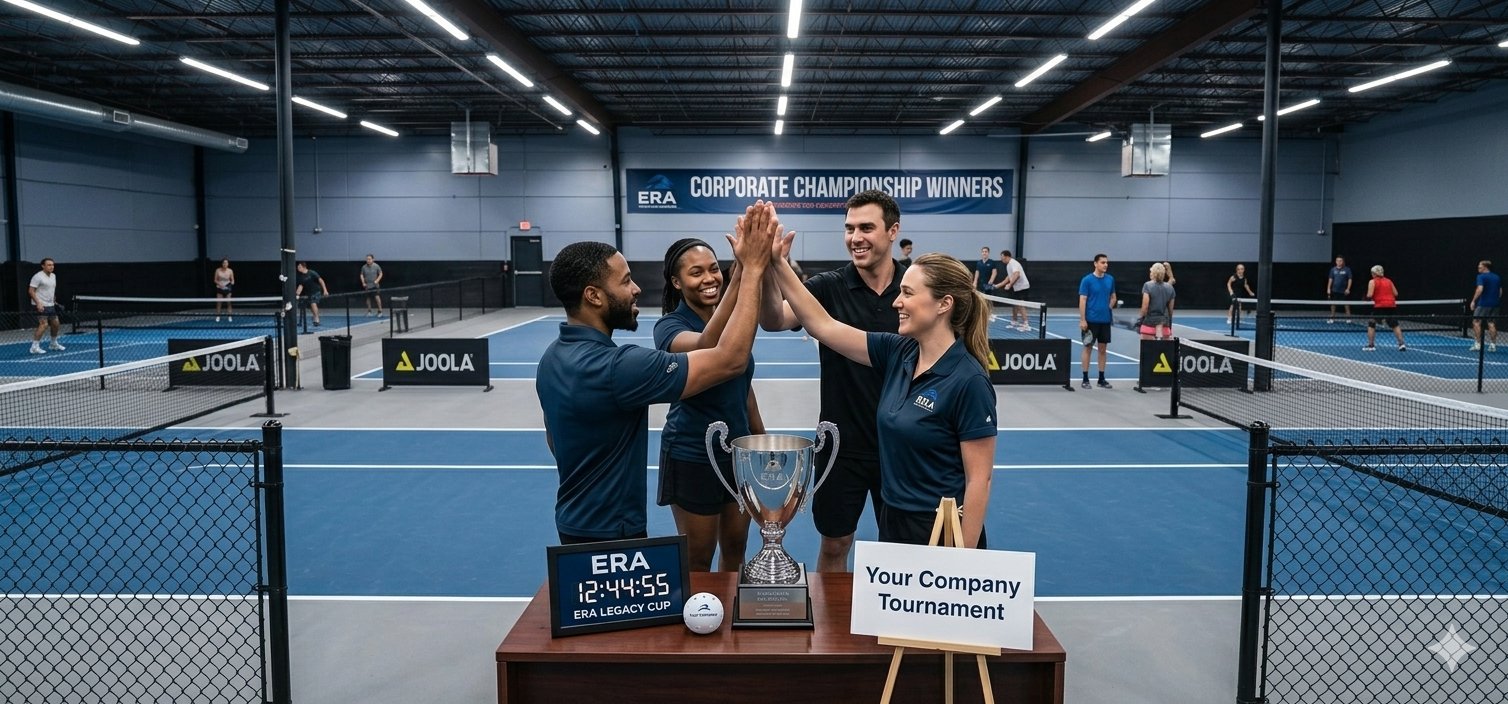
For teams and clubs, flexibility is a potential multiplier. Consider a high school or community league that relies on consistent practice hours to prepare for competitive play. With Era Pickleball, you can reserve the same time slot every week, with automatic reminders and the option to extend if the team is in a growth phase or has a late-season surge. If a gym needs to reallocate space for another activity, the system can gracefully shift to the next available slot, preserving the integrity of your practice schedule and minimizing disruption. In short, flexible scheduling isn’t a feature; it’s a governance choice about how a community shows up for its players.
If you’re curious about cost structures, you’ll notice a practical bias toward clarity. Rates often reflect the simple economics of court availability: the more predictable your schedule, the more predictable your spend. You won’t encounter confusing tiered pricing that punishes consistent users for wanting routine practice sessions. The era pickleball model tends to favor straightforward hourly rates with occasional package deals or incentives for long-term commitments, such as a monthly pass or a multi-session discount for clinics run by the era pickleball academy. If you’re coordinating a school program or a corporate event, you’ll often find special rates or bundled offerings that bring the cost per hour down when you book multiple blocks or reserve a block of time for a recurring program.
A practical lens on the logistics
If you’re a new player or a coach eyeing the Era Pickleball system from the outside, the most useful questions tend to be practical rather than theoretical. How far ahead can you book? What is the cancellation policy if a tournament reschedules? Are there limits on the number of players per court, and how does that impact doubles play or clinics? The answers usually balance flexibility with safety and capacity. Most centers allow bookings up to several weeks in advance, and the cancellation terms are designed to be fair while safeguarding the court time for others. If a rainout or a power outage interrupts a session, the policy generally offers a credit toward a future booking, ensuring that you don’t lose a paid hour without meaningful recourse.
Another practical angle is accessibility. Era Pickleball centers commonly emphasize accessible facilities with clear signage, well-lit courts, and adequate viewing areas for spectators or parents who want to watch while children practice. The layout tends to avoid long corridors or confusing routes, so newcomers don’t lose precious minutes locating the court. For players with mobility considerations, the center tends to provide a straightforward path from parking to the court and may have adaptive equipment on hand or staff to assist with setup. In the real world, accessibility is not a marketing bullet point. It’s a daily practice that shapes who shows up and who comes back.
A day in the life of a practice block
Picture a late afternoon in a midweek lull when you’re juggling work duties and a kid’s homework with a personal fitness plan. You log into the erapickleball.com booking page, scan the available windows, and settle on a two-hour block that splits into a 60-minute drill segment followed by an open play period. Your coach selects a couple of specific drills—targeted footwork patterns, dinking strategy, and transition speed between the kitchen and the baseline. The court is ready, the balls are on hand, and the net tension feels just right. You rotate through partners, keeping a timer for each stage of the session, and the hour slides into the second as smoothly as a well-timed drop shot.
The beauty of this flow is that it’s not about squeezing every last drop of time from a day. It’s about making a reliable, repeatable pattern that yields growth over weeks and months. You’re not scrambling to figure out where to play next week. You already know your time and you’ve booked it. The social dimension is meaningful, too. You’ll see the same faces in the same slots, and that consistency matters. It builds a microculture around practice, a shared vocabulary, and a level of accountability that doesn’t easily emerge from one-off drop-ins.
The role of community and education
Era Pickleball’s philosophy extends beyond the four walls of any single court. The center tends to foster community by sponsoring clinics, scrimmages, and social play nights that give players a chance to meet others who share a similar schedule and similar ambitions. The era pickleball academy often runs structured programs that blend coaching with practical play. The approach is not about churning out champions overnight but about constructing a durable foundation. You learn to read your opponent more effectively, to manage your energy over longer sessions, and to cultivate the mental toughness that helps you stay in rallies when the scoreline looks bleak.
Coaches who partner with Era Pickleball bring a thoughtful perspective to the court. They design seasons and curriculum around the realities of adult schedules, school obligations, and weekend family commitments. A good coach knows how to slot a serious drill session into a busy week without turning the day into a grueling endurance test. They also understand that a strong sport culture is built on light, social touches—quick technique flags after a match, a short debrief with a few pointers, and a plan to apply what was learned in the next practice. The result is a more satisfied, more engaged player base and a healthier cycle of improvement.
Two practical ways to maximize flexibility and value
The first path to getting the most out of era pickleball court rental is to treat your bookings like the core of your practice routine rather than a one-off experiment. If you’re aiming to progress, you’ll want to reserve a standing weekly time slot and pair it with a short qualifying session before you begin the main drill block. In practice, that means a 15-minute warm-up, a 45-minute focused drill, and a 60-minute open play window. This structure minimizes downtime, keeps your body primed, and protects your mental focus. The consistency of a regular rhythm fosters improvement that would be hard to sustain with sporadic sessions.
The second path is to leverage the era pickleball academy for targeted coaching integrated with your rental time. Instead of booking a court and then hoping for the perfect coach to appear, you align a clinic schedule with your preferred time block. A monthly cadence of technique clinics—footwork, serve return strategy, or net play—paired with your practice time creates a coherent training arc. The advantage isn’t just improved skill; it’s a reinforced habit loop. You know exactly when you will work on a specific skill, and you know there will be a constructive follow-through in the next session.
Two short lists to illuminate practical considerations
Benefits of flexible scheduling
- Predictable access to courts that align with school and work calendars
- Short-notice adjustments without crippling penalties
- Clear, transparent pricing and billing
- Seamless transition from drills to open play
- Consistent opportunities to practice with the same cohorts
Tips for booking efficiently
- Book recurring blocks early in the week to lock in preferred times
- Combine coaching sessions with practice blocks to maximize value
- Use a single payment method to simplify billing and tracking
- Leave a buffer between blocks for equipment setup and court cleanup
- Check for seasonal promotions or clinics that align with your goals
A note on equipment, safety, and etiquette
On the hardware side, era pickleball centers tend to stock a reliable supply of paddles and balls, with staff ready to help attendees select appropriate gear. The aim is straightforward: minimize friction around preparation so players can focus on execution. If you’re new to the sport, you’ll quickly catch on to standardized etiquette that the sites promote. Rotate partners in a friendly, fair manner, communicate clearly about lead and follow roles in doubles, and keep pace with play to avoid lengthy idle periods in the court corridors. Safety is layered in. Proper footwear, clear space around the court, and a quick warm-up to prevent muscle strains are small, practical steps that pay dividends over a long season.
For coaches and organizers, safety considerations scale with the scale of programming. If you run clinics for youth, you’ll want to ensure that the session size respects kid-friendly ratios, and you’ll probably arrange short demonstrations and breaks to accommodate attention spans. If you’re working with adults who have varying levels of experience, you’ll structure the session so that beginners can observe while more experienced players work on advanced patterns in separate drills. The ability to tailor sessions while preserving a common time window is precisely what makes the era pickleball framework appealing for multi-level programs.
A look at the broader ecosystem
The era pickleball center experience doesn’t live in isolation. It’s part of a broader, growing network of pickleball-related education, equipment, and community-building. The pickleball center ecosystem includes specialized training, clinics, and tournaments that help players translate individual skill development into competitive readiness. Players who hop between local clubs and era pickleball centers often discover that the consistent practice tempo carries over from one court to another. The discipline of showing up on a schedule becomes a portable asset, a kind of muscle memory that extends beyond a single facility.
In practice, this mobility matters for players who move between cities or who travel for work and want a familiar structure wherever they land. The era pickleball ecosystem tends to accommodate this dynamic by providing clear guidelines on how to transfer or book time across different centers under the same brand umbrella. If you’re someone who values continuity, you’ll appreciate that the system isn’t tied to a single geographic location. It’s built to help you keep your practice rhythm intact as you move through different communities.
A personal reflection on the practice of patience
There are days when the schedule aligns perfectly with your energy, the court surface feels almost instantaneously responsive, and your partner processes the tempo of your shots with little explicit talk. There are other days when the ball seems a beat late, your footwork stumbles, and everything feels a touch harder than it should. The beauty of flexible scheduling is that it gives you permission to show up with both kinds of days. You don’t have to pretend that your form is always pristine. You don’t have to pretend that every rally will end cleanly in your favor. The environment is designed to absorb the natural variability of human performance and still give you a pathway to improvement.
Over time, you learn to read the rhythms of your own schedule as well as the court’s rhythms. An Era Pickleball practice block becomes less about competing with others and more about competing with your own limits, and that’s a subtle but meaningful distinction. The courts become a canvas for patience, a reminder that skill accrues through consistent, manageable effort. The flexible scheduling model is not about pushing you toward more hours, but about using the hours you have with intention. It’s about turning a few weekly opportunities into a credible trajectory for growth.
Final reflections on choosing a pickleball center and booking strategy
If you’re evaluating options, take a moment to contrast rigid facilities with Era Pickleball’s approach. A center that imposes fixed times or heavy penalties for changes may suit some schedules, but it can quickly feel constraining when life interrupts your plans. In contrast, eras pickleball court rental is designed to adapt to real life, not pretend life conforms to a brochure. The emphasis on clarity, coach-aligned programming, and community-building helps turn court time into a habit rather than a set of scattered, hard-to-find slots.
The era pickleball academy adds a dimension that makes the experience more than the sum of its parts. Coaching, structured drills, and social play are not merely add-ons; they are integral components of what makes time on the court meaningful. The ability to book with confidence, to integrate coaching with practice blocks, and to count on a clean, well-maintained facility are constants that players lean on when they commit to a sport with as much nuance as pickleball.
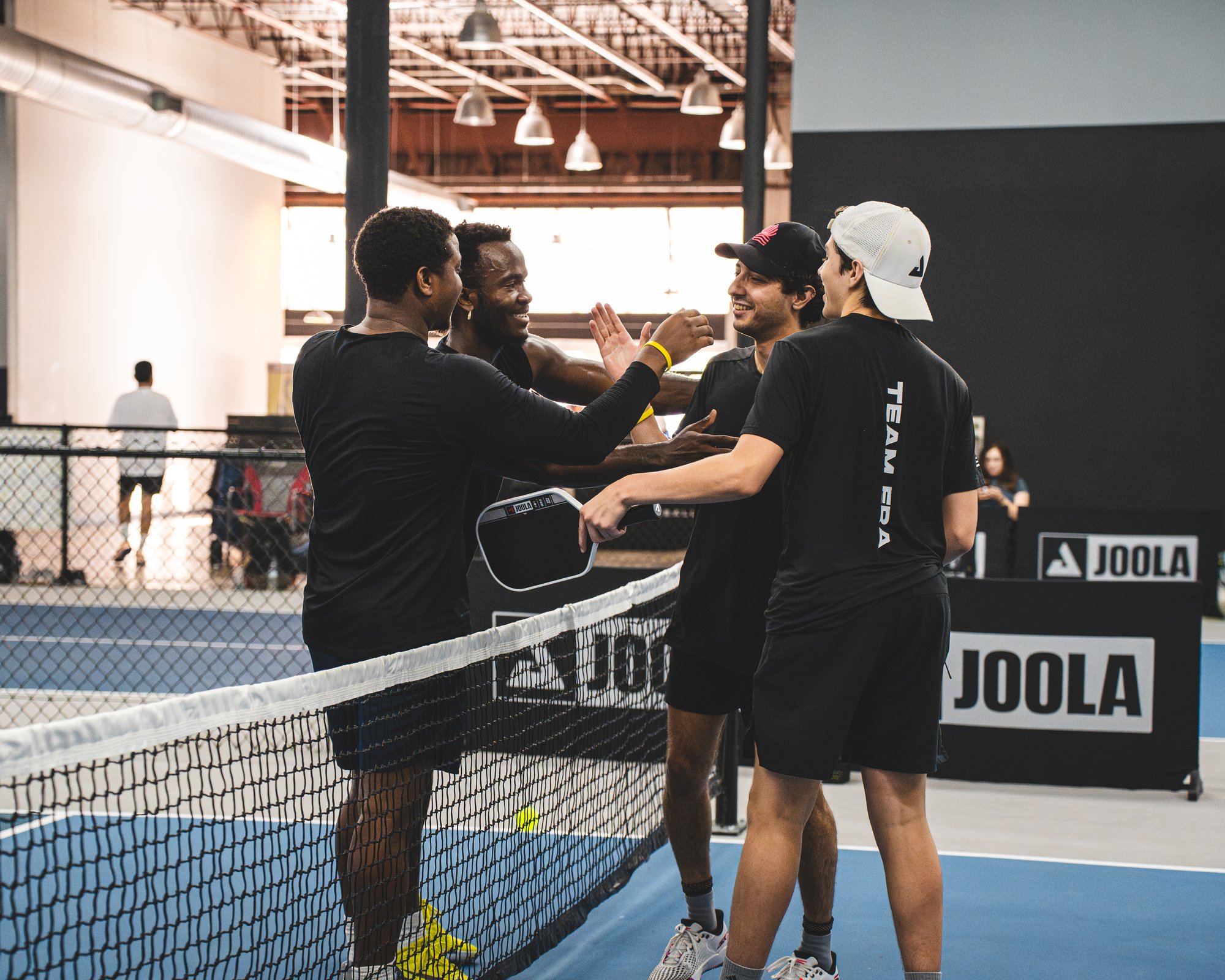
If you’re ready to explore a center that treats court time as a resource to be managed with care, you’ll likely find that era pickleball’s approach fits your life as read more much as your game. The booking experience is not a passive transaction; it’s an invitation to build consistency, to align practice with personal goals, and to participate in a community that believes in growth through reliable access to quality courts. In the end, the value isn’t merely in renting a space for an hour. It’s in the way that hour becomes part of a weekly rhythm that compounds over time into tangible improvement, better footwork, smarter shot selection, and, most importantly, a deeper love for the game.